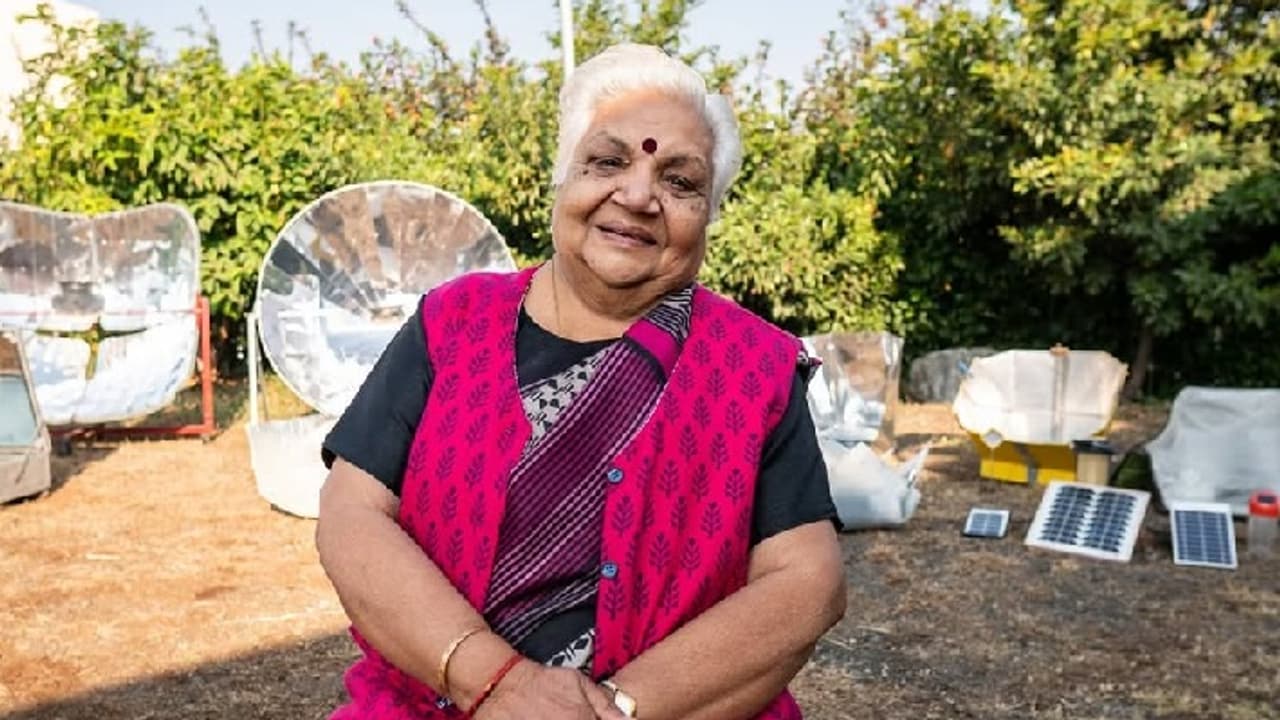
🌿 How Janak Palta McGilligan Built a Zero-Waste, Zero-Bill Home in India
⚡ Quick Summary
- Lives in a zero-waste, zero-electricity-bill home near Indore
- Uses solar + wind energy (off-grid)
- Produces no household waste
- Grows organic food at home
- Trained 1.5 lakh+ people in sustainability
👉 Sustainable living in India can be affordable and practical.
🌏 Why This Story Matters in India
India generates millions of tonnes of plastic waste every year, while electricity costs continue to rise.
This makes real-life sustainable models not just inspiring — but necessary.
⚡ A Life Redefined by Purpose
After a personal loss, Janak Palta McGilligan redesigned her life around sustainability, self-reliance, and harmony with nature.
This is not minimalism — it’s a functional system for living without waste or dependency.
🏡 A Zero Electricity Bill Home in Indore
Her home operates completely off-grid using:
- ☀️ Solar energy
- 🌬️ Wind energy
Benefits:
- No electricity bills
- Energy independence
- Low long-term cost
Her system even supports nearby homes.
♻️ How a Zero-Waste Home Works
- Organic waste → Compost
- Paper waste → Fuel bricks
- Daily items → Reusable alternatives
Nothing goes to landfill.
🌱 Organic Food, Grown at Home
- Vegetables
- Pulses
- Grains
- Spices
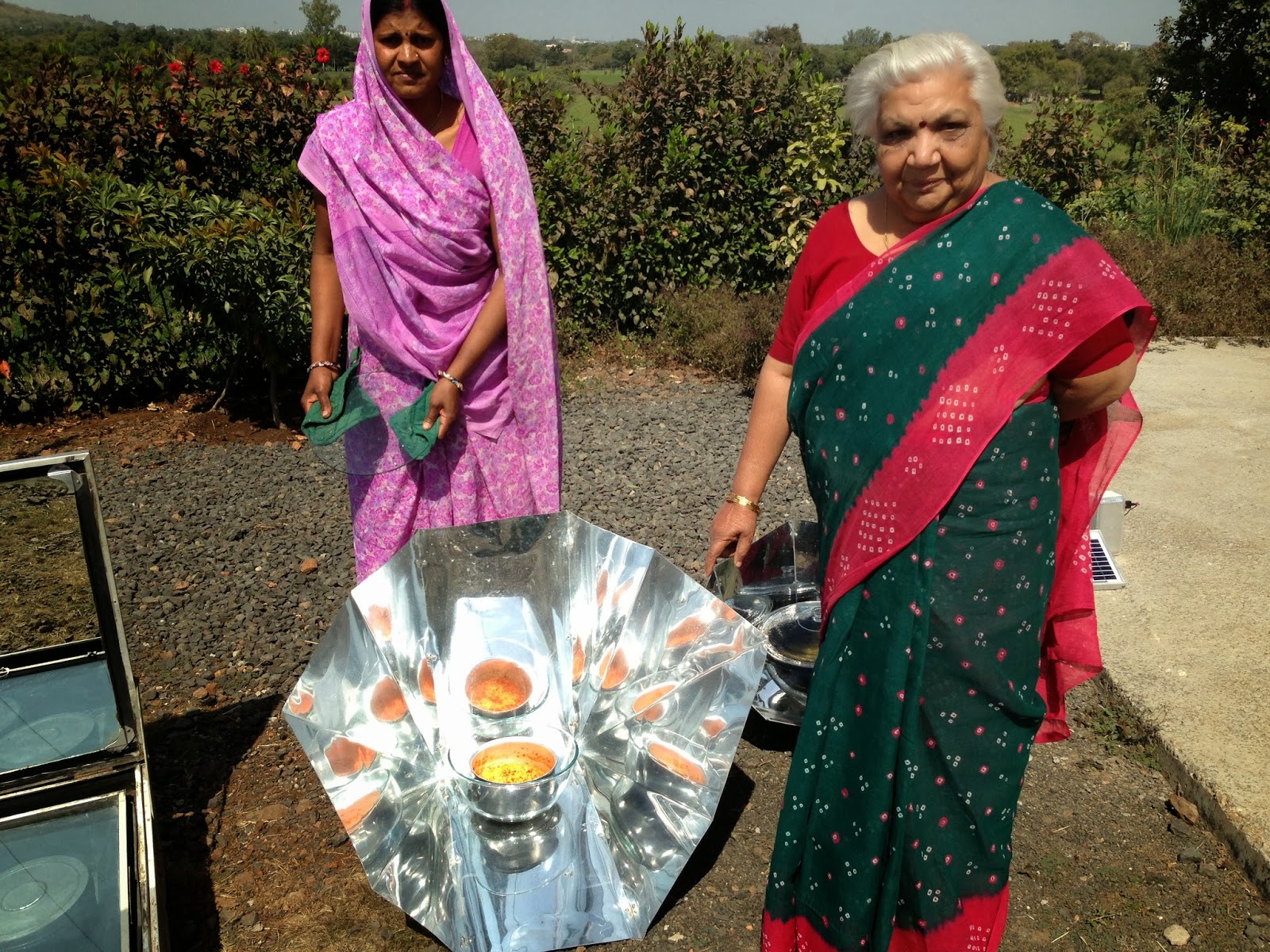
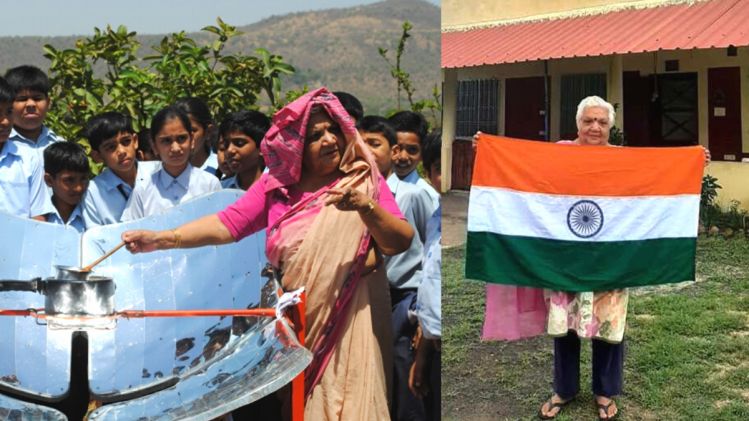
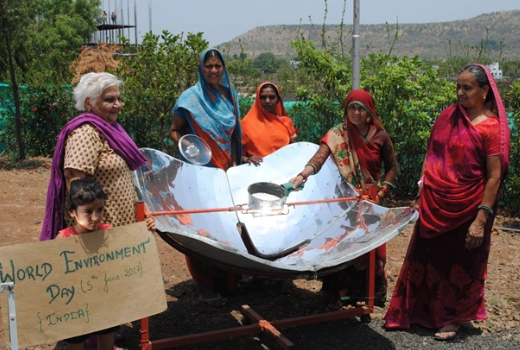
Cooking is done using solar cookers.
Result:
- No chemicals
- No packaging waste
- Complete food independence
👩🏫 From Lifestyle to Large-Scale Impact
She has trained:
- 1.5 lakh+ youth
- 6,000+ rural women
- Across 1,000+ villages
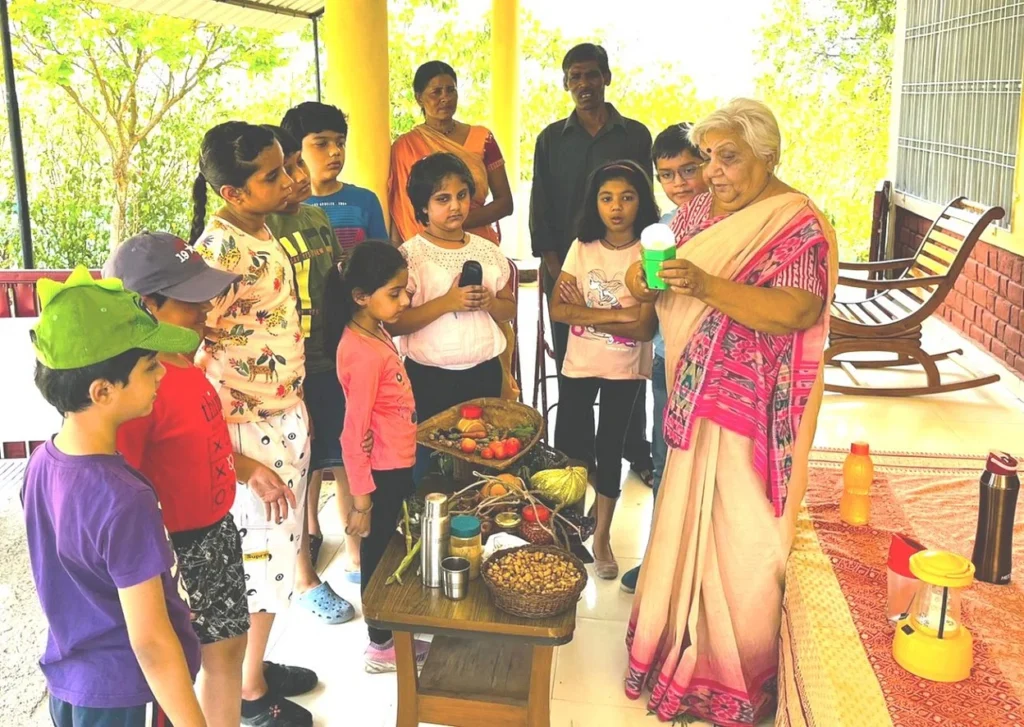
Training includes solar cooking, waste management, and sustainable practices.
🧠 The Biggest Myth She Breaks
“Sustainable living is expensive.”
Truth: It reduces long-term costs and increases independence.
🌍 What This Means for You
- Start with 1–2 sustainable habits
- Reduce waste gradually
- Focus on systems, not perfection
⚠️ Common Mistakes
- Trying to change everything at once
- Buying expensive eco-products unnecessarily
- Ignoring practicality
🔥 Final Thought
If one home in Indore can produce zero waste and zero bills, the real question is:
👉 Why aren’t more of us starting?
🔎 FAQs
Who is Janak Palta McGilligan?
A Padma Shri awardee known for sustainable living and zero-waste initiatives in India.
Can you live without electricity bills in India?
Yes, with solar and wind systems, it is possible.
How to start a zero-waste lifestyle?
Start small: reduce plastic, use reusable products, and compost waste.
Is sustainable living expensive?
No, it saves money over time.
Source: https://m.economictimes.com/magazines/panache/padma-shri-winners-house-is-free-from-waste-and-electricity-bills-heres-how-indores-janak-didi-created-zero-waste-home/articleshow/130263559.cms